
Search results for "preservation of processed meat"
Recipes
Preserves
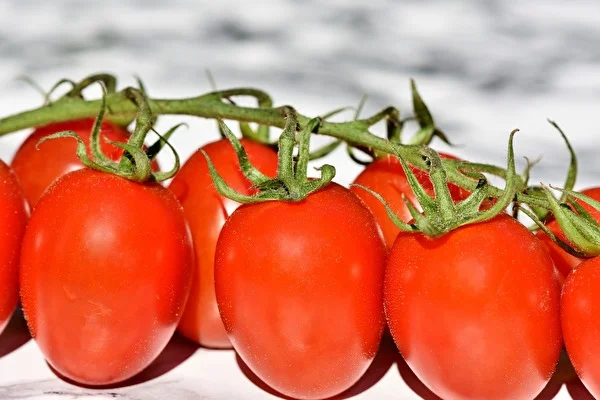
Tomato purée
A simple way to make homemade tomato purée
Meat and cold cuts
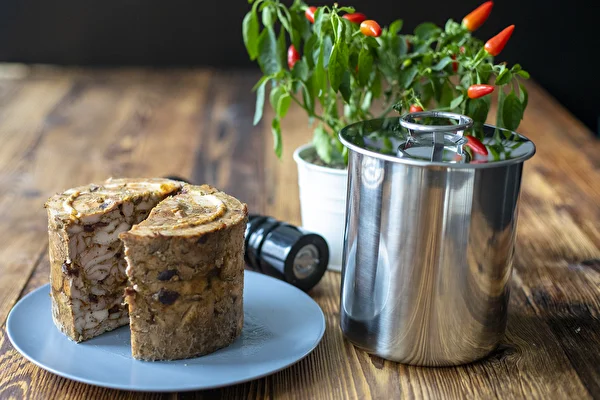
Chicken thighs with cranberries - from a ham cooker
Discover a tried-and-tested recipe for chicken thighs from a ham cooker. Enjoy a healthy, preservative-free cold cut with cranberries. This combination works especially well as an excellent dish not only for children.
Meat and cold cuts
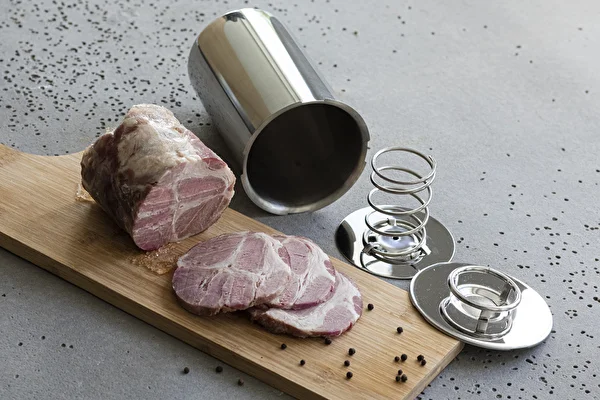
Pork neck from a ham cooker
A perfect idea for preservative-free, healthy cold cuts. A recipe for delicious pork neck in a ham cooker
Blog

A bit of culture(s) in preparation of processed meat
As we all know, homemade is always better since homemade products are prepared with out own flavour preferences in mind and without the unnecessary chemical additives. In the case of homemade processed meat what becomes important is the question of how long is their shelf life if we limit the ingredients to the indispensable minimum? Some of you might be surprised, but without that long list of preservatives applied in the industry the processed meat will have a longer shelf life and be safer for health! It will be suitable for aging on the refrigerator shelves, remaining fresh for even a few months, with nothing more than ripening and slow drying happening to them, with both these processes being completely natural and even desirable to many gourmets. Dried meat is suitable for use even when it is already hard to cut – it can always be grated and used for sprinkling a homemade casserole, for example (whoever has not tried that yet should see for themselves - it is delicious!). When practicing meat processing within our own kitchen, we usually prepare sausages, hams, loins, gammons, sirloins, etc. traditionally by subjecting them initially to curing (either wet or dry) or marinading, and then to smoking, scalding or roasting. I suggest improving, enriching and diversifying this repertoire – by trying something new, which also very easy and ensures extraordinary effects. Some initiative and knowledge are the only things necessary in order to make the first step... and start preparing your own, delicious, ripened processed meat.

Press – and hold it! What is worth remembering when preparing homemade preserves?
Making preserves is rooted in our history since the Middle Ages. A properly performed process of food preservation enables stopping the physiological, biochemical, and microbiological processes that take place in tissues. At home we usually use thermal methods, involving either high temperature (pasteurisation) or low temperature (cooling, freezing). We can also stop the development of unwanted microorganisms by limiting their access to water, e.g. by adding sugar or table salt, or by evaporating or drying a given product. A very healthy method is to use lactic fermentation, i.e. brine pickling, which is very popular in Poland. Another popular chemical method of food preservation at home is pickling, i.e. using an additive in the form of acetic acid.

Brine pickled vegetables and more – what is worth knowing about brine pickling?
Fermentation, defined by biologists as anaerobic production of energy from nutrients, has found extensive application in alcohol production, food preservation, and changing the organoleptic properties of products - their flavour, consistency, colour, or aroma. The history of using this process dates back to ancient times. At first, fermentation was only used for storing food and was carried out with deeper understanding of microbiological mechanisms. Next alcoholic fermentation, brine pickling is one of the most popular fermentation processes. In Poland, at first the only brine pickled vegetable was cabbage, which used to be eaten in quite large amounts, especially at the countryside an in poor household where getting through the winter depends on the quantity of crops and preparing them in such a way as to be able to take advantage of them for a long time.
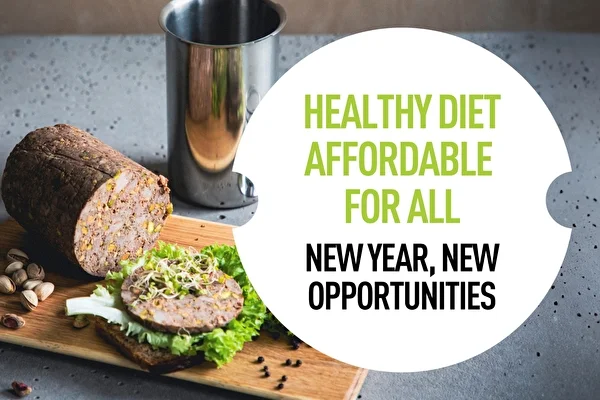
Healthy diet affordable for all. New Year, new opportunities.
Do you have any resolutions for 2025? Most likely, yes… And if you want to do something good for yourself and your loved ones, one of these resolutions should be: This year, I will take care to eat healthily – and ensure my family benefits from it, too! To help you achieve your goals, we’ve prepared this short article – it’s sure to be a useful read, and you can return to it whenever old eating habits try to reclaim their place in your life. The New Year is a perfect time to reflect on your eating habits and set new goals toward a healthy change in this area. However, diet alone is not enough. One of the most effective ways to implement positive changes is to use innovative kitchen tools that not only make it easier to prepare healthy meals but also help preserve valuable nutrients. So, if you want healthy cooking to be less time-consuming and exhausting – and instead a pleasant and, most importantly, lasting experience – Browin has some ideal products for you. With their help, your New Year’s resolution will result in long-term beneficial changes to your eating habits. Let’s explore a few products that can become key elements in your kitchen and inspire you to embark on a fascinating journey through the world of flavors, aromas, and valuable nutrients: