Liquor and drinks
23 July 2026
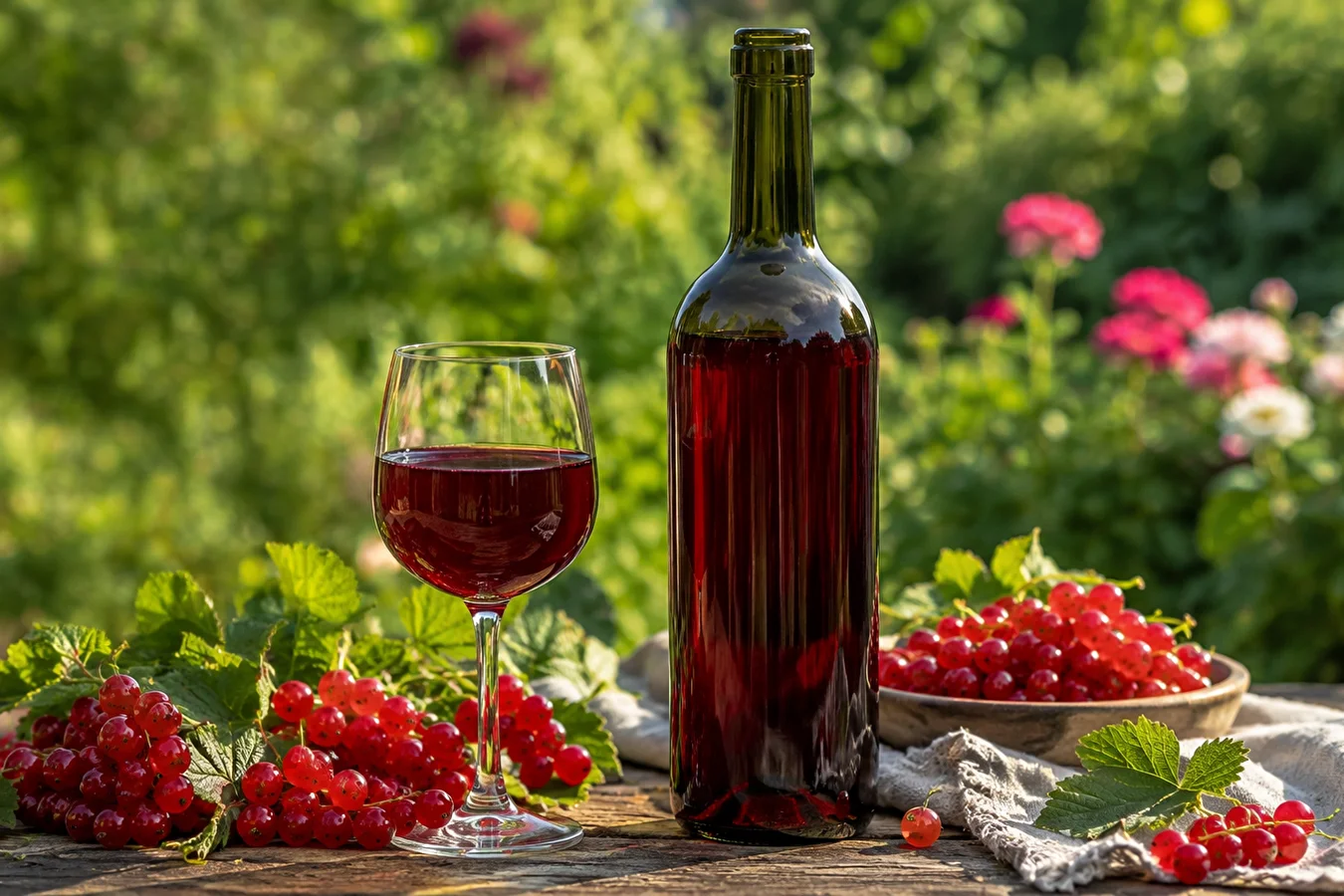
Homemade red currant wine
Category:
Liquor and drinks
Difficulty:
Medium
Servings:
4
Red currants contain polyphenols that remove free radicals from the body. They are also rich in vitamin C, which supports the natural defenses of the body against infections and strengthens immunity. Additionally, they contain vitamin P, also known as rutin, which facilitates the absorption of vitamin C. Red currants contain a large amount of pectins, which limit the absorption of excessive amounts of cholesterol and sugar in the blood. The fruit also contains vitamin A, biotin, folic acid, B-group vitamins and mineral salts such as iron, calcium and magnesium. The presence of red currants in the diet enriches our bodies with rare trace elements, among others: manganese, boron, phosphorus as well as iron and iodine. In red currant wine we will find above all antioxidants that cleanse the body of toxins and strengthen the blood vessels. If you want to experience the beneficial effects of the fruit and discover the full and delicious taste of homemade currant wine — check out our recipe!
Notes
Recipe for homemade red currant wine
Preparation:
Wash and destem the currants. Then crush the fruit and place it in a fermentation container. Add 2 L of boiled, cooled water, a pectolytic enzyme and yeast. Leave for 3 days. After that time, press the fruit pulp, transfer the young wine back into the demijohn, add sugar syrup (made from 2 kg of sugar and 2 L of water), yeast nutrient and the tea infusion. Set the batch aside in a shaded place for 4 weeks. Once vigorous fermentation has finished, rack the young wine off the sediment and leave it until fermentation is complete. This is also the time for flavor adjustment (backsweetening).
Enjoy! ...because homemade is better!