Cakes and breads
6 November 2020
Italian bread
Category:
Cakes and breads
Difficulty:
Medium
Servings:
4
Italian breads are often baked with durum wheat flour, the so‑called hard wheat. The flour or groats obtained from it is called semolina. It contains gluten, but people with celiac disease, who usually do not tolerate common wheat, sometimes respond to it better. Compared to its better‑known sister, semolina contains more phosphorus, potassium, iron, copper, manganese, zinc, as well as B‑group vitamins. It also has a lower glycemic index and reduces blood glucose levels, which is important for people with diabetes. How can you use it at home? For example, to bake bread!
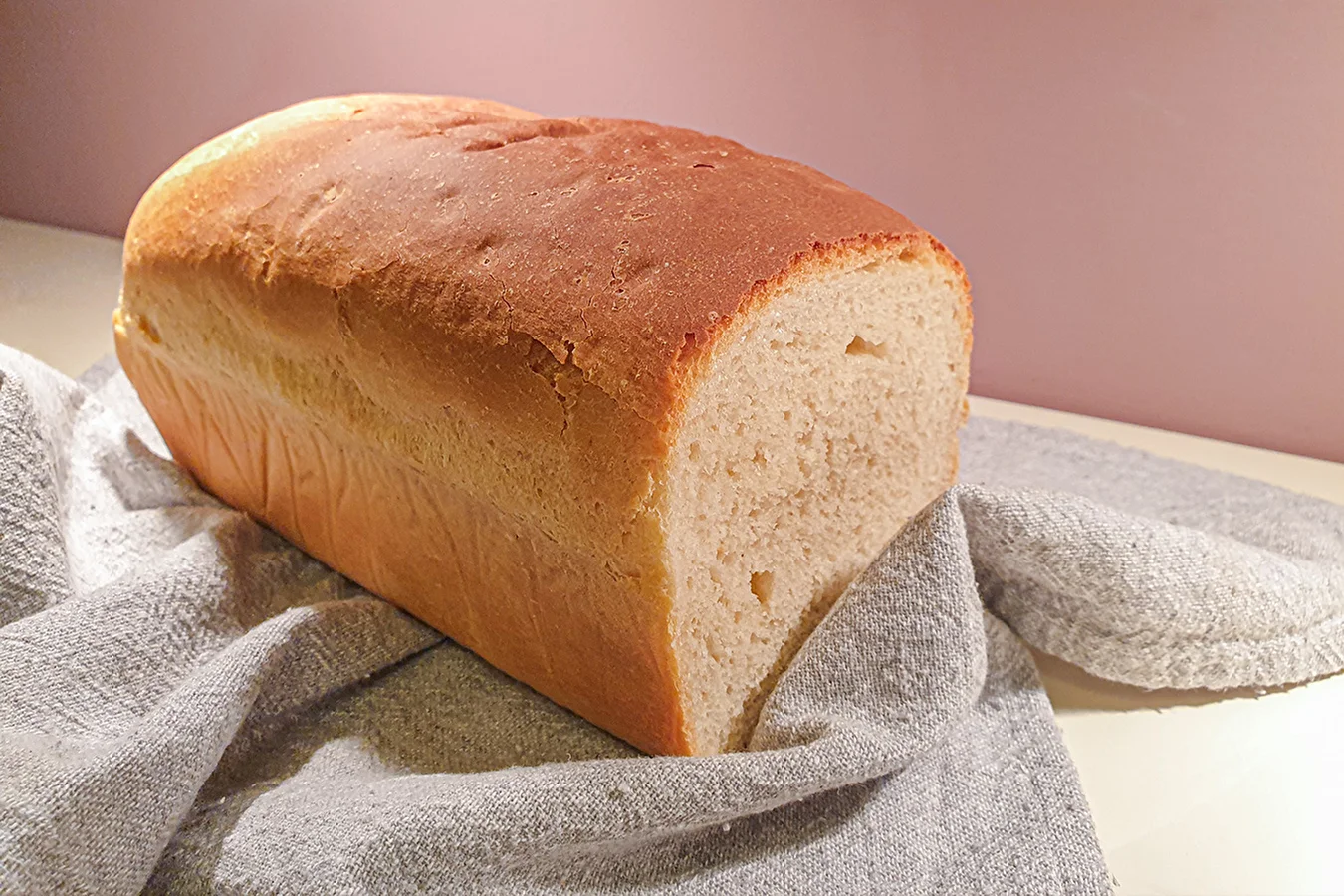
The bread from the recipe below has an exquisite taste. Wine yeast also adds character to it, which can be added alongside traditional baker’s yeast. Be sure to try this recipe!
Notes
Recipe for Italian semolina bread
Preparation:
Hydrate the yeast in 200 ml of water 20 minutes before starting the dough. Then mix the flour with the hydrated yeast and the remaining water, and add the salt and sugar. Knead all the ingredients and work the dough well for about 10 minutes. Then set the dough aside in a warm place for 2 hours to rise. After this time, briefly knead it again, place it in a loaf pan, and leave it for about 20 minutes.
Place the bread in an oven preheated to about 50℃ – only then set the oven to 200℃ (without convection, top and bottom heating elements only) and bake for about 1 h, until the crust is nicely browned (tapping the loaf should produce a hollow sound).
Note! Baking time depends on the oven – it’s best to check after about 40 minutes whether the baking is proceeding properly.
You can also brush the top of the loaf with water; this will make the crust crisper.
We recommend baking bread in a Roman pot; however, remember to grease it very well with butter and dust it with breadcrumbs before use so the dough doesn’t stick.
Enjoy! ...because homemade is better!