€2.68


Dairy
Yogurt cheese spread will be the perfect addition to sandwiches, but it will also work as a dip for vegetables or a sauce for meat.
Cakes and breads
Recipe for homemade blueberry buns. Soft, fragrant, and with a crumble topping. Make them at home!
Liquor and drinks
This homemade treat will warm up winter evenings. Perfect for the holiday table or as a gift in a decorative bottle!
Meat and cold cuts
White sausage - a simple recipe for a traditional Polish dish. Learn how to make delicious white sausage at home
Cakes and breads
Learn how to make homemade gluten-free bread step by step. A loaf made with hemp flour has a natural green color and a unique flavor that makes breakfast not only tasty but also intriguing.
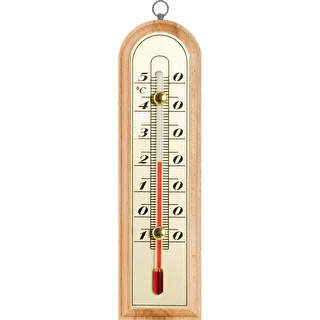
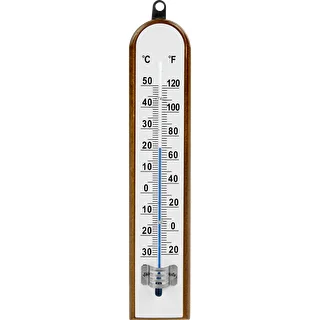
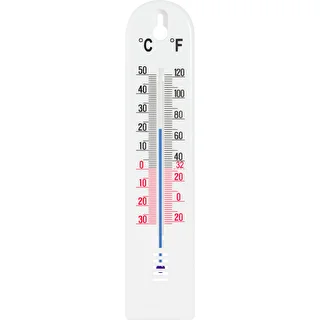
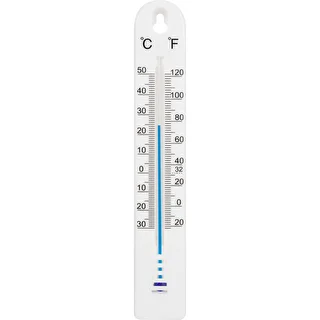
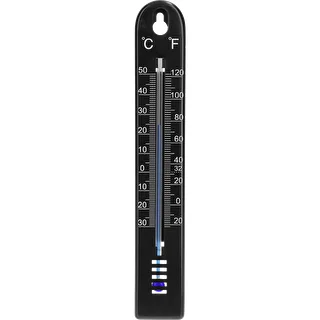
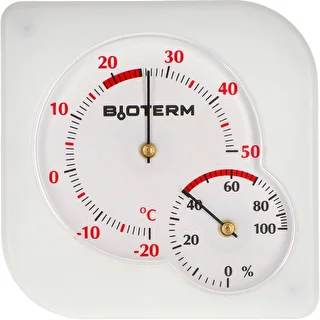
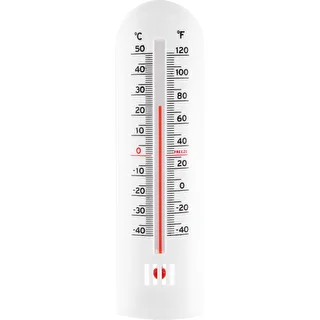
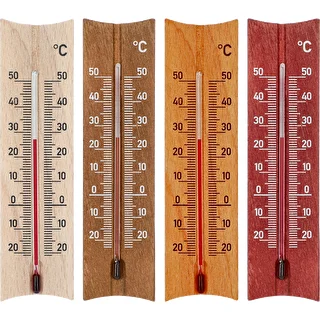
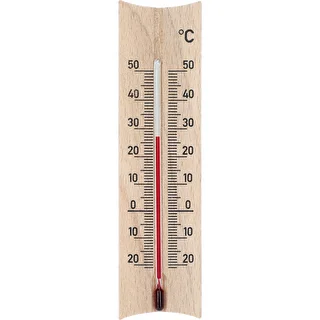
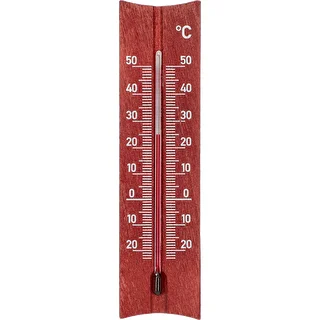
According to a study by a UK company that installs heating boilers and thermostats, 4 in 10 women secretly turn up the temperature behind their partner's back. Meanwhile, Dutch researchers announced that 30 percent of couples argue because the temperature at their home is too low or too high. Thermometers... While launching their new models is not a hot topic, we would like to warm up their image a little. Let’s have a little read!
In recent years, winters have not been surprising us with severe frost attacks or heavy snowfall. Although there are moments when the temperature falls below zero and the soil, trees, and shrubs are covered by a blanket of snow, on most days within the calendar winter the temperature remains firmly above zero. This is good news to all the drivers, as well as the services responsible for snow removal, but we should be aware of the fact that such temperature levels in winter have a negative impact on the plants growing in our gardens. These plants prepare for freezing temperatures by losing their leaves, accumulating nutrients, and building stronger root systems in order to survive the harsh weather conditions. A warm winter wakes the plants from their “winter sleep”, often providing them an illusion of the beginning of spring. If the weather changes suddenly afterwards, the plants attacked by frost are practically defenceless – they freeze, get weaker, and some even die... How to care for plants in such conditions, then? What to do when the winter is relatively warm? Here is some of our advice that you might consider when starting a new year in your garden. If you take care for your plants properly now, they will show their gratitude in spring!
Making preserves is rooted in our history since the Middle Ages. A properly performed process of food preservation enables stopping the physiological, biochemical, and microbiological processes that take place in tissues. At home we usually use thermal methods, involving either high temperature (pasteurisation) or low temperature (cooling, freezing). We can also stop the development of unwanted microorganisms by limiting their access to water, e.g. by adding sugar or table salt, or by evaporating or drying a given product. A very healthy method is to use lactic fermentation, i.e. brine pickling, which is very popular in Poland. Another popular chemical method of food preservation at home is pickling, i.e. using an additive in the form of acetic acid.
Dairy is a staple in the daily diet for many of us. According to the principles of healthy eating, we should reach for yoghurt, kefir or other fermented dairy products first and foremost every day. Yellow cheese contains plenty of calcium (although some plant-based products are not inferior in this regard), and skyr yoghurt, whey or white skim cheese have plenty of protein. We usually reach for various forms of dairy products up to several times a day, so it's worth considering making them at home and having a say in what ends up on our plates.
As we all know, homemade is always better since homemade products are prepared with out own flavour preferences in mind and without the unnecessary chemical additives. In the case of homemade processed meat what becomes important is the question of how long is their shelf life if we limit the ingredients to the indispensable minimum? Some of you might be surprised, but without that long list of preservatives applied in the industry the processed meat will have a longer shelf life and be safer for health! It will be suitable for aging on the refrigerator shelves, remaining fresh for even a few months, with nothing more than ripening and slow drying happening to them, with both these processes being completely natural and even desirable to many gourmets. Dried meat is suitable for use even when it is already hard to cut – it can always be grated and used for sprinkling a homemade casserole, for example (whoever has not tried that yet should see for themselves - it is delicious!). When practicing meat processing within our own kitchen, we usually prepare sausages, hams, loins, gammons, sirloins, etc. traditionally by subjecting them initially to curing (either wet or dry) or marinading, and then to smoking, scalding or roasting. I suggest improving, enriching and diversifying this repertoire – by trying something new, which also very easy and ensures extraordinary effects. Some initiative and knowledge are the only things necessary in order to make the first step... and start preparing your own, delicious, ripened processed meat.
NOW MAKING AN EVEN STRONGER IMPRESSION! Distiller’s yeast is a select group of yeast varieties, specialized for production of highly concentrated alcohol. They are resistant to high concentration of sugar (up to about 32°Blg). The distiller’s yeast family includes many strains that differ in terms of the fermentation duration and, as a result, the time of batch fining and the amount of fermentation side products such as hydrogen sulfide. You can choose either distiller’s yeast without nutrient addition or turbo yeast that contains both yeast and nutrients within a single sachet. Our offer features a wider array of turbo yeast varieties, i.e. select distiller’s yeast varieties with nutrients adjusted to them. The nutrients include all substances that the yeast requires – sources of nitrogen and phosphorus (e.g. diammonium phosphate), vitamins (i.e. thiamine hydrochloride - vitamin B 1 ), and buffering substances responsible for ensuring pH value appropriate for yeast (e.g. calcium carbonate).
We can't find the internet
Attempting to reconnect
Something went wrong!
Attempting to reconnect