€2.68

Preserves
For fans of bold, tangy flavors and ever-popular appetizers, we have a pickled cucumber recipe that always works and disappears from the table in no time.
Preserves
Recipe for cucumbers in honey–mustard brine – a sweet-and-spicy addition to sandwiches, dinners, or salads. Perfect for work, school, and winter stores. Check it out step by step!
Preserves
Recipe for half-sour cucumbers in honey-lemon brine by Dawid Jedynak. Aromatic, crunchy and full of flavor — the best half-sours you’ll make at home!
Preserves
Fermented foods are a great way to provide your body with probiotics. Check out our recipe for fermented cucumbers.
Preserves
Recipe for fermented cucumbers with chili – traditional ferments with a hint of heat. Crunchy, aromatic, and easy to prepare.
Preserves
Half-sour cucumbers are an intermediate stage of fermentation. They are crunchy, tasty, and healthy. Find out how quickly you can prepare them with dry brining.
Preserves
Pickled cucumbers in BBQ brine – an unusual recipe for winter supplies. The sweet-and-spicy flavor with a hint of honey and barbecue sauce will delight even the most demanding guests.
Preserves
Recipe for pickled cucumbers with asparagus
Preserves
Japanese-style pickled cucumbers are a low-calorie, aromatic snack inspired by the cuisine of the Land of the Cherry Blossom. Check out a simple tsukemono recipe with sesame, chives, and rice vinegar!
Preserves
Discover the recipe for Thai curry cucumbers—crunchy, spicy, and full of aromatic Asian flavors. Perfect for dinners, sandwiches, and snacks.
Preserves
A tried-and-true, simple recipe for half-sour and fermented cucumbers with no added sugar. Curious how to ferment cucumbers? Discover our traditional jar recipe. Our Experts will also show you how to make fermented cucumbers in a stoneware crock - step by step.
Preserves
Discover a recipe for Korean-style vegetables – aromatic pickles perfect with breaded chicken or as a refreshing salad.
Dishes
Try a brilliant idea for a summer dinner and a drink that perfectly quenches your thirst
Dishes
Out of ideas for soup? Discover our beet soup recipe. Cold soup made with fermented beets is a quick and easy recipe for a delicious, healthy dinner!
Preserves
Homemade beetroot kvass — a natural base for borscht and fermented beet relish. A simple recipe, healthy ferments, and the traditional flavor of Old Polish cuisine.
Meat and cold cuts
If you're a burger lover, be sure to check out our recipe for beef burgers, with the meat prepared in a ham cooker
Traditional Recipes
We warmly invite you to read the third installment of our special series, in which we present a family story not so much “from the kitchen” as in connection with culinary tradition—with old and somewhat newer recipes. In this story, good taste plays an important role—literally, because the people mentioned here were united not only by family ties, ideals, a sense of mission or a work ethic, but also by the home table and the meals eaten at it—both everyday and exceptional. And since our thoughts are already circling around the upcoming Christmas holidays, a truly festive flavor will accompany us in this episode. Thanks to the courtesy of Mr. Piotr Rydzewski, let us once again look into his extremely interesting family archive. So, as usual—first a few sentences of story and unique photographs, and then the culinary part… We encourage you, dear Readers—try using the given recipes at home, adapting them not only to today’s possibilities but also to your own preferences. Creating dishes with wonderful flavor is the best way to create a unique atmosphere, so needed especially during the Christmas and New Year season. In the previous episode we recalled, among others, the figure of Antoni Kuźnicki—a railway official of the Kalisz district and Mr. Piotr’s great-grandfather. Mr. Antoni played a significant and noble role in the history of the railways—at a time extremely important for Poland. Here is an exceptional document, issued on November 11, 1918. We all know this date as one of the most important days in our history—the day of regaining independence. [[img:skan_20080416130_do-cz.3.jpg]] © Piotr Rydzewski This letter, marked with the stamp of the Union of Railwaymen of the Łódź Junction, as well as the exact time (10 p.m.) and signed by members of the railway administration, obliges Mr. Antoni, a traffic department clerk, working at 21 Składowa Street, to “upon receipt of this order immediately proceed to take over from the Germans the Łódź Kaliska station and staff with Polish railway personnel all stations and posts up to Szczypiorno” [Szczypiorno is today a housing estate that is part of Kalisz]. When traveling by train today, especially in the Łódź region, it is worth remembering people like Antoni Kuźnicki, thanks to whom independence arrived in many places by rail—literally, along with the whistle of the locomotive and Polish railwaymen. And now the recipes—this time two hearty meat dishes that can be an excellent proposal for holiday dinners. Starring—the tenderloin! In the recipes we generally keep the original spelling, introducing only the necessary linguistic and editorial changes.
Preserves
Healthy and popular ferments are not limited to Poland’s well-known cucumbers and cabbage. Try a recipe for a spicy Korean dish made from fermented vegetables. If you like hot dishes, you’re sure to enjoy kimchi.
Preserves
This recipe for pickled pattypan squash is a great alternative to classic pickled cucumbers. Be sure to try it—they’re delicious!
Dishes
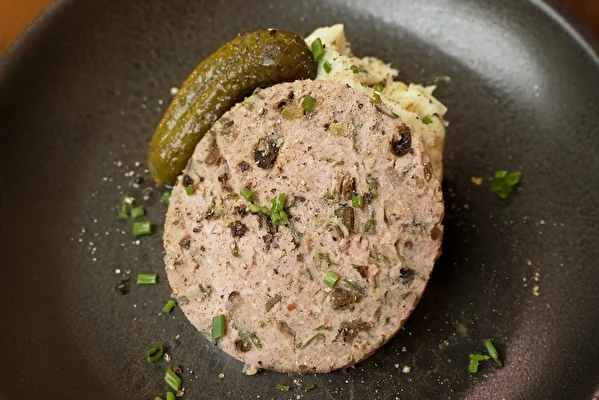
A homestyle lunchbox with delicate puree, pork luncheon meat with mushrooms and celery, and a crunchy pickled cucumber. A simple recipe that tastes like home cooking!
Preserves
Discover a recipe for lightly salted zucchini – a light, crunchy, and aromatic snack in just a few hours. An ideal alternative to lightly salted cucumbers.
Baker’s yeast is a commonly used culinary microorganism, namely single-cell fungi. It is them who are responsible for the rising of dough for bread, pizza, steamed dumplings or the popular yeast cake. They are used in hundreds - if not thousands - of ways in the kitchen. This leads to obtaining delicious products that delight our palates on a daily basis. You can find many recipes for yeast-based delicacies in our Recipe Book, but that is not the end of applications of yeast.
Fermentation, defined by biologists as anaerobic production of energy from nutrients, has found extensive application in alcohol production, food preservation, and changing the organoleptic properties of products - their flavour, consistency, colour, or aroma. The history of using this process dates back to ancient times. At first, fermentation was only used for storing food and was carried out with deeper understanding of microbiological mechanisms. Next alcoholic fermentation, brine pickling is one of the most popular fermentation processes. In Poland, at first the only brine pickled vegetable was cabbage, which used to be eaten in quite large amounts, especially at the countryside an in poor household where getting through the winter depends on the quantity of crops and preparing them in such a way as to be able to take advantage of them for a long time.
Making preserves is rooted in our history since the Middle Ages. A properly performed process of food preservation enables stopping the physiological, biochemical, and microbiological processes that take place in tissues. At home we usually use thermal methods, involving either high temperature (pasteurisation) or low temperature (cooling, freezing). We can also stop the development of unwanted microorganisms by limiting their access to water, e.g. by adding sugar or table salt, or by evaporating or drying a given product. A very healthy method is to use lactic fermentation, i.e. brine pickling, which is very popular in Poland. Another popular chemical method of food preservation at home is pickling, i.e. using an additive in the form of acetic acid.
We can't find the internet
Attempting to reconnect
Something went wrong!
Attempting to reconnect